Hooks, Half-Light and Hidden Corners: A Small-Home Suede Storage Plan
Suede does not ask for a dedicated dressing room. It asks for consistency: a place where the nap is not crushed, the air is not trapped, and the light is not allowed to bleach the surface into a pale memory. In a small UK home, where the hallway doubles as a coat store and the wardrobe is measured in centimetres, that consistency has to be planned rather than assumed. The following room-by-room method treats storage as part of suede care, in the same spirit as a salon treatment: calm, measured and attentive to small details.
The Hallway: A Short Stay, Not a Home
A hook by the front door is useful for an umbrella and a tote, but it is rarely kind to suede. A jacket hung there for a day may survive; a jacket hung there from November to February will begin to show the pressure of its own weight at the shoulders, and the nap will flatten where the collar meets the hook. Treat hallway storage as a short stay. If a suede jacket must rest there overnight, use a broad wooden hanger rather than a narrow hook, and leave space on either side so the sleeve is not pressed against a waterproof mac.
Boots are a different matter. A hallway floor is often the dampest, coldest part of a flat. Keep suede boots off the ground on a slatted rack, with boot trees or loosely rolled acid-free tissue inside the shaft to hold the shape. Do not line them up touching one another; a finger's width between pairs allows air to move and prevents the nap from taking a neighbour's crease.
The Bedroom Wardrobe: Air, Space and the Nap
The wardrobe is the natural home for suede jackets, skirts and bags, but it is also where careless storage does the most damage. Suede needs to breathe. A breathable cotton cover, not a sealed plastic garment bag, is the correct choice. Plastic traps humidity, and in a British flat that humidity has a way of finding the back of a wardrobe. Leave the cover open at the bottom, or choose one with a ventilation panel, so that air can pass through.
Spacing matters more than volume. Allow two to three centimetres between suede garments, and do not compress a jacket between heavier wool coats. The nap is a surface of tiny fibres; when it is squashed for weeks, it loses the lift that gives suede its soft light. Hang jackets on shaped hangers that support the shoulder, and button or fasten them lightly so the front does not gape and crease.
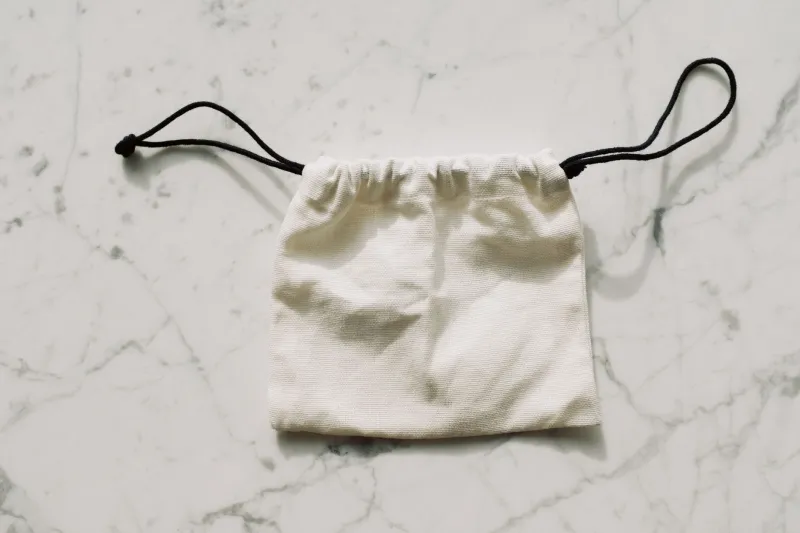
Bags should be stuffed with tissue paper, not newspaper, which can transfer ink. Place them on a shelf rather than hanging them by the strap, and keep them away from the back wall of the wardrobe, where condensation can gather in cold weather. Gloves are best kept flat in a breathable pouch or a small cotton drawstring bag, with the fingers gently aligned. Do not fold them into a tight ball; the creases may become permanent.
Under the Bed: The Case for the Low Box
Under-bed storage is often the only option in a compact flat, and it can work well if the box is chosen with care. Use a breathable cotton or canvas storage bag rather than a vacuum-sealed plastic crate. A rigid box with a lid may protect against dust, but it must have ventilation; otherwise it becomes a small, dark humidor for suede, which is not the intention. Acid-free tissue inside the box will cushion folds and reduce the risk of sharp creases.
Rotate what lives under the bed. A suede jacket stored there for six months without inspection is not being stored; it is being forgotten. Check the contents every six to eight weeks, air them in a shaded room for an hour, and brush the nap gently with a suede brush. This is not an elaborate ritual. It is a quiet inspection, much like a salon's final check before a client leaves.
Radiators, Windows and the Quiet Enemies
Light and heat are the two most common causes of avoidable suede damage in the home. Direct sunlight will fade and dry the surface, so never store suede on a windowsill or on an open shelf facing a south-facing window. Radiators are equally unkind. A jacket hung above a radiator may feel warm and dry to the touch, but the sustained heat can stiffen the leather and disturb the nap. Keep a clear distance of at least thirty centimetres from any heat source.
Humidity is the quieter enemy. UK winters can push indoor moisture up and down, especially in flats with poor ventilation. A simple hygrometer is a useful, inexpensive addition to the storage area. Aim for a stable, moderate indoor humidity rather than an artificially dry room. If a wardrobe feels damp, do not compensate with harsh heat; improve air circulation instead, and allow the wardrobe door to stand open for a short period each week.
The Seasonal Rotation
A small home benefits from a seasonal rotation, not because suede is delicate in itself, but because rotation forces attention. At the end of winter, clean and brush boots before they go under the bed. Empty jacket pockets, check linings and collars, and give the suede a light brushing in the direction of the nap. Store gloves flat and bags stuffed. At the start of the season, reverse the process: air each item in shade, check for any dull patches or flattening, and give it space before wearing.
This rotation also prevents overcrowding. If an item has not been worn for a full season, consider whether it deserves the space it occupies. Suede stored badly is not being protected; it is simply waiting to be repaired.
A Final Check Before the Door Closes
Good suede storage in a small flat is not about dedicating a room. It is about assigning the right room, the right distance and the right cover. A hallway hook for an hour, a wardrobe shelf with breathing space, a ventilated box under the bed: each is a small decision that keeps the nap composed. Before you close the wardrobe door, run a hand lightly over the surface. If the suede feels cool, dry and even, the room is doing its work. If it feels warm, cramped or damp, move it. The salon standard is not luxury; it is attention, repeated quietly at home.