A Considered Loan: Suede Manners for Hosts, Guests and Borrowed Jackets
Party season gives suede a social life. A jacket leaves one hallway and enters another; a skirt is borrowed for a Christmas lunch; a guest arrives at a drinks party with a damp coat over one arm. These small exchanges are part of the pleasure of dressing well, but they place a tactile material under social pressure. Suede is not fragile, yet it remembers. It records the direction of a seat belt, the clasp of a bag, the scent of a room. A considered protocol for lending, hosting and returning protects both the garment and the relationship. At Suede Salon, care is not a reprimand; it is a form of hospitality.
The Terms Before the Threshold
Clear lending boundaries should be settled before a garment leaves the wardrobe. The first question is not whether one trusts the borrower, but whether the piece can be restored if the evening goes differently than planned. A pale suede jacket worn to a crowded pub may return with a mark that requires professional attention; a darker piece may be more forgiving. It is reasonable to lend only what one is prepared to have cleaned, and equally reasonable to decline a request for a piece with sentimental value.
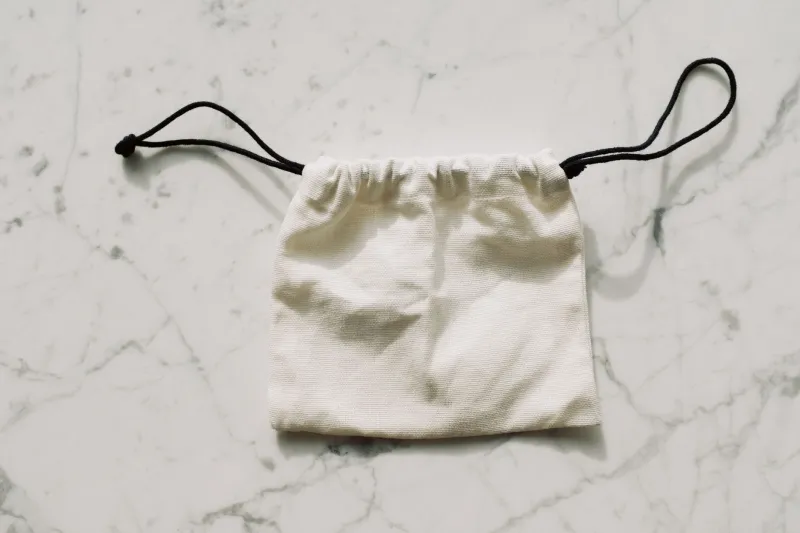
A short conversation is enough. The borrower should know the return date, the care card, and the three or four things the suede dislikes: rain, perfume sprayed directly, hairspray, adhesive badges, hot radiators and improvised cleaning. Hand over the piece in a breathable cotton bag rather than a plastic cover, and resist the urge to deliver a lecture. Good manners are brief, practical and warm.
The Handover: A Short, Practical Check
Before lending, inspect the garment in daylight. Brush the nap gently in one direction, check the seams, lining, buttons and hems, and note any existing mark or area of wear. A discreet photograph is not distrust; it is a record that spares both parties an awkward conversation later. Keep the handover to a few minutes. If heavy rain is forecast, suggest a different layer or a taxi rather than a long walk. The point is not to spoil the occasion but to give the suede a fair chance.
Hosting: The Hallway and the Damp Coat
Hosts meet suede at the point of arrival. A crowded hallway, a warm radiator and a pile of coats are the three ordinary hazards of the season. Provide sturdy wooden hangers, leave space between garments, and direct coats to a cool, airy room rather than the warmest corner of the house. A damp suede coat should be blotted with a clean towel and left to dry naturally, away from direct heat. A hairdryer, radiator or roaring fire will only set the problem.
Food and drink deserve a little distance from stored coats. Mulled wine, canapés and candle smoke are part of the atmosphere, but they are not kind to fine suede. A host's quiet logistics are a form of good manners: a clear place for coats, a breathable bag for a borrowed piece, and no pressure to leave a damp garment in a cramped cupboard.
The Return Inspection: Reading the Nap
On return, inspect the piece under daylight rather than harsh indoor light. Look at the direction of the nap, the cuffs, the collar, the underarms and the hem. A faint scent may be perfume, smoke or food; a flattened nap may come from a seat belt, a shoulder bag or a long evening of sitting. Ask gently what the evening involved, without turning the question into an interrogation. If an item has come back with an unfamiliar mark, note it calmly and set the piece aside to rest.
Do not attempt to mask a scent with more fragrance. Do not brush a damp garment. A returned piece is not a verdict on friendship, and a borrower who mentions a small accident has behaved well. The aim is restoration, not blame.
Restoring a Borrowed Piece: The Safe Sequence
Begin with rest. Hang the garment in a ventilated room for twenty-four hours, away from direct sun and heat. Brush the nap with a soft suede brush in one direction, working gently at cuffs and collar. A suede eraser may lift a dry mark; a clean cloth may blot a damp patch. Never soak suede, never iron it and never steam it at home unless a professional has advised otherwise.
For a faint scent, place the item in a breathable cotton bag with a small dish of activated charcoal for twenty-four to forty-eight hours, keeping the charcoal from direct contact with the suede. If a mark remains after these steps, refer the piece to a professional. Suede Salon's treatment menu can assess nap restoration, deep cleaning and cautious recolouring, and will advise whether waterproofing is appropriate after the piece has dried. A borrowed jacket should rejoin the wardrobe quietly, not carry the story of the party in its surface.
A Quiet Household Ledger
A simple record is useful: date, item, borrower, return date and condition notes. This is not surveillance; it is household administration. Keep a spare hanger and a breathable bag in the hall cupboard, and ask borrowers to return the piece in the bag with a note if anything happened. Suede improves with care, and etiquette is part of that care. The best loan is the one that ends with a clean return, a sincere thank-you and the friendship entirely intact.