Soft Occasion, Hard Weather: A Suede Strategy for Winter Weddings

Photo: cara fealy choate from Austin, USA, CC BY 2.0, via Wikimedia Commons
A winter wedding in the UK is a study in contrasts. The church may be cold and damp underfoot; the reception may be heated to Mediterranean levels; the journey home may involve a taxi rank, a train platform or a long walk across gravel. Occasion wear has to negotiate all three without looking as though it has been through a weather system. Suede, often treated as a fair-weather material, can be a quietly practical choice — provided the pieces are selected for the season rather than the shop window.
The Case for Suede in Winter
Suede has a tactile quality that suits winter weddings. It absorbs light rather than reflecting it, which makes it feel softer and more intimate than patent leather or satin. It also holds colour with depth, so a navy suede shoe or a chocolate glove reads as rich without shine. The practical argument is equally sound: suede is warmer than many smooth leathers, it grips better underfoot than a polished sole, and it does not show every fingerprint. The caveat is that suede requires a degree of forethought. It is not fragile, but it is responsive to its environment. A winter wedding guest who plans for damp, heat and travel will find suede a generous companion.
Choosing Pieces for Church, Reception and the Journey Home
Shoes
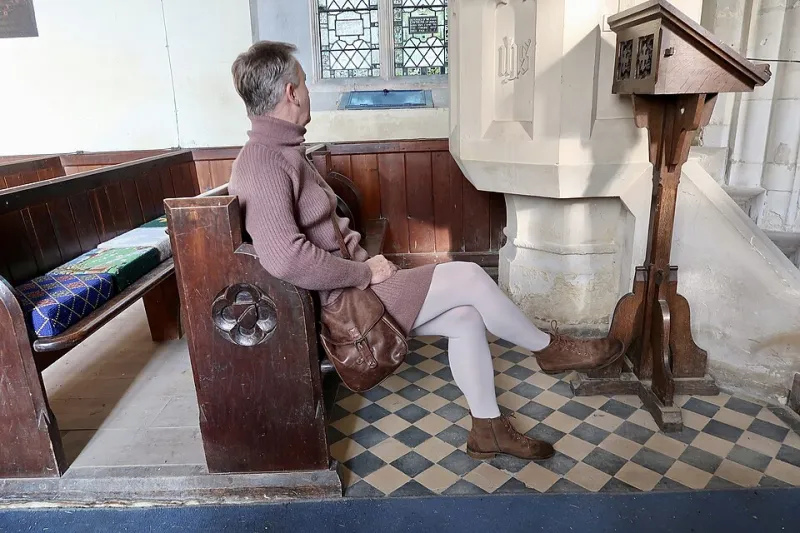
The most useful winter wedding shoe in suede is a closed-toe block heel or a low wedge. A block heel distributes weight and copes better with gravel, grass and uneven church paths than a stiletto. Darker colours — forest green, burgundy, navy, charcoal — disguise the small marks that come from pavements and car footwells. A suede shoe should be pre-treated before the wedding, ideally two weeks in advance, so that the protector has time to cure. Avoid pale suede if the forecast is uncertain; if you love it, keep a pair of folding flats in your bag for the walk between venues and change into the suede pair at the door.
Bags
A suede clutch or a small shoulder bag is a natural companion to winter occasion wear, but it should have structure. Soft, slouchy suede bags can lose their shape in a cloakroom or under a chair. A bag with a flat base and a secure closure is more resilient. If the bag has a chain strap, check that the chain does not rub against the suede when carried on the shoulder; friction is the quiet enemy of a good nap. A darker suede bag is more forgiving than a pale one, and a bag that can be carried by hand or tucked under the arm is less likely to be knocked against a table edge during the reception.
Gloves
Suede gloves are the most elegant way to bring the material into a winter wedding outfit, but they need to fit properly. A glove that is too tight will stretch and shine at the knuckles; one that is too loose will slip and crease. Look for a pair with a soft lining and a simple cut. If you wear rings, take care when putting gloves on and off — a stone can catch the nap. Suede gloves should be brushed after wearing and stored flat rather than folded, which can leave a permanent crease.
A Restrained Emergency Plan for Marks and Scuffs
Even the best-prepared guest will encounter a mark. The key is to respond with restraint. For a dry scuff or a light dust mark, use a suede brush or a suede eraser once the piece is dry. Brush in one direction, gently, and stop if the nap begins to look distressed. For a liquid spill, blot immediately with a clean, dry cloth or paper towel. Do not rub, and do not apply heat. If the liquid is water, allow the suede to dry naturally, away from radiators, and brush the nap once dry. If the liquid is oil or red wine, blot and then leave it alone; home remedies can spread the stain. For salt marks from winter pavements, allow the piece to dry completely and brush lightly. If the mark remains, it is a job for the salon, not the cloakroom.
Salon Timing Before and After the Day
A pre-wedding salon visit is the most effective form of insurance. Two to three weeks before the event, ask for a deep clean if the piece has been worn before, a re-napping if the surface looks tired, and a protective finish. This is also the moment to have any small repairs seen to — a loose stitch on a glove, a scuffed heel, a faded patch on a bag. After the wedding, assess the piece in daylight. If there are salt marks, water rings or a spill that has dried, book a salon consultation within a week. The longer a stain sits, the more it settles into the fibres. If the piece has simply been worn and is otherwise sound, a brush and a rest in a breathable bag may be enough.
The Final Fitting
A winter wedding is not a test of endurance, but it does reward a considered wardrobe. Suede pieces should feel polished without feeling precious. Choose them for the venue, the weather and the journey, not just for the photographs. Treat them before the day, carry a small brush and a clean cloth, and know when to hand them to a professional. Done with restraint, suede brings a softness to winter occasion wear that is difficult to replicate — and it will still look composed when the evening ends and the taxi arrives.