The Tactile Argument: Why Suede Belongs in the Everyday British Autumn

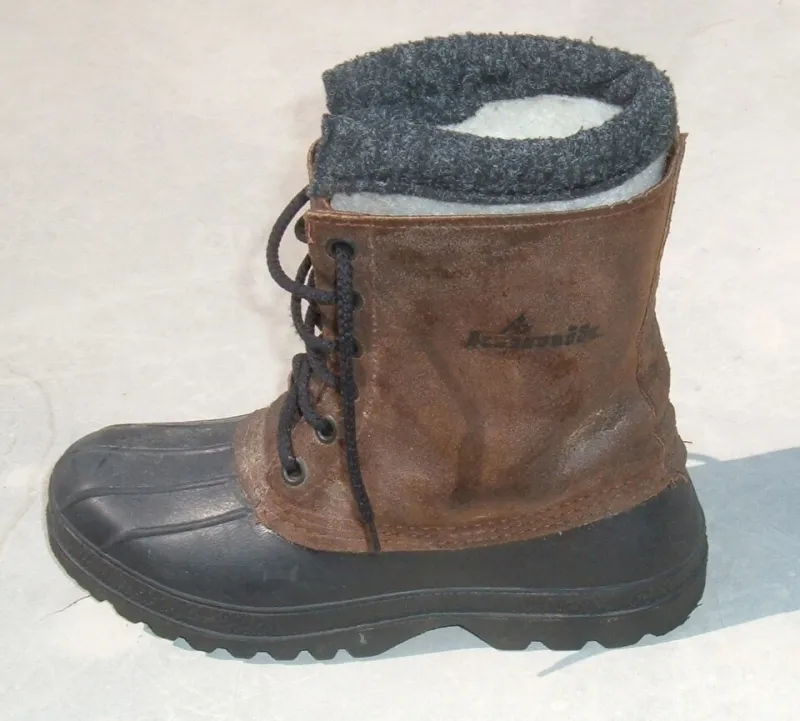
Photo: JollenDavenport, CC0, via Wikimedia Commons
Every autumn, a familiar warning appears in British style pages: suede is beautiful but delicate, best reserved for dry days and special occasions. It is a curious position, and one that salon experience does not support. Suede is not a seasonal flop. It is a tactile, adaptable material that belongs in everyday city life, provided it is cared for with the same routine attention we give to leather, wool or denim.
The Fragility Myth and Its Origins
The caution is understandable. Suede has a napped surface, and a British November can be relied upon to test it. Salt on pavements, grit at crossings and sudden drizzle are real hazards. Yet the conclusion — that suede should be kept for occasions — conflates vulnerability with unsuitability.
A good suede boot, jacket or bag is not inherently more fragile than a leather one. It simply requires different maintenance. The salon sees pairs that have been worn daily through several winters and still hold their colour and softness. What distinguishes them is not luck but a routine: brushing after wear, prompt attention to salt, regular waterproofing and occasional professional care.
The myth persists because it is easier to warn than to instruct. Advice that says “avoid suede” asks nothing of the reader. Advice that explains how to wear and care for it asks for a little time, and perhaps a horsehair brush.
What the Weather Really Asks of Us
British autumn does not demand that we avoid suede. It asks us to prepare it. A protector spray applied before the first wet week is more useful than an umbrella left at home. A brush kept by the door is more practical than a resolution to be careful.
In London, Manchester, Edinburgh and beyond, the pavement is a working surface, not a catwalk. Suede responds well to that reality when it is allowed to. The nap can be revived; salt can be lifted; colour can be restored. What suede cannot withstand is neglect followed by over-treatment — the soaking, the scrubbing, the radiator drying. Those are errors of method, not reasons to abandon the material.
There is also a styling argument. Suede has a depth and softness that leather often lacks. It absorbs light rather than reflecting it, which makes it particularly suited to the muted palette of the British autumn: chocolate, taupe, olive, slate and ink. It pairs naturally with wool, denim, corduroy and knitwear. It is tactile in a way that feels reassuring in cold weather.
Styling Suede for City Life
The everyday suede wardrobe does not begin with occasion wear. It begins with boots that can be worn to work, to the market and to dinner without a change of outfit. A pair of suede ankle boots in a mid-tone neutral will carry more outfits than a brightly coloured pair reserved for parties. A suede jacket in a relaxed cut works over knitwear and under a wool coat when the temperature drops.
For dresses and skirts, suede boots offer a softer alternative to leather. They work with opaque tights and midi lengths, and they bring texture to otherwise plain outfits. The key is to treat suede as a neutral rather than as a statement. Its surface is interesting enough without competing patterns or hardware.
This is where the style pages often go wrong. They present suede as a gamble — something that might be ruined — rather than as a material with a character of its own. The result is a wardrobe that becomes more cautious and less interesting than the British autumn deserves.
The Salon View: Care as Part of Wear
In the salon, care is not a separate activity from wearing. It is part of the same habit. A brush after each wear takes a minute. A protector top-up once a month takes ten. A professional clean at the start and end of the season preserves colour and structure. None of this is onerous, and none of it requires a cabinet of specialist products.
What it does require is a shift in expectation. Suede is not maintenance-free, but neither is leather, wool or a good pair of shoes. The British reluctance to wear suede in autumn is less a judgment about the material than a judgment about the time we are willing to give it. That time is modest, and the return is a wardrobe that feels richer and more tactile.
A More Honest Autumn Wardrobe
The argument, then, is not that suede is indestructible. It is that suede is ordinary enough to wear, and worth caring for. British style writers would serve their readers better by treating it as such: a material for daily life, not a fair-weather indulgence. The autumn wardrobe is fuller, softer and more interesting when suede is allowed to take its place within it.