Behind the Counter: The Ninety-Minute Ritual That Restores a Suede Jacket
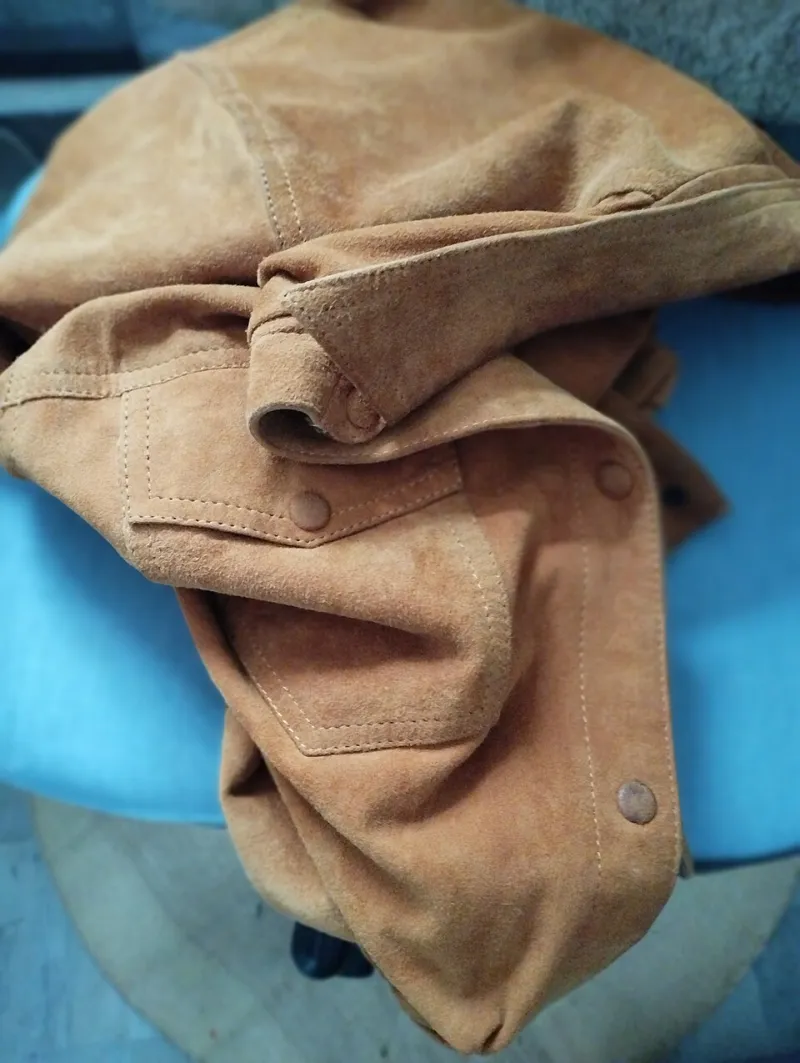
Photo: Ірина Бучнєва, CC0, via Wikimedia Commons
At Suede Salon, the appointment begins with a jacket laid flat on a clean counter under daylight. The customer has usually arrived with a story: a downpour on the way to the station, a brushed shoulder against a gritty wall, a collar that has darkened over several winters. The jacket may look merely tired, but the first ten minutes are not about cleaning. They are about looking. The technician checks the nap in raking light, feels the stiffness of the leather, examines seams, edges, cuffs and lining, and asks how the mark occurred and what has been applied. No treatment is proposed until the garment has been understood.
The First Ten Minutes: Assessment Before Action
Suede is a material of direction and depth. The nap runs one way; the light catches it another. A mark that appears as a dark patch under shop lighting may reveal a tide line, a loss of colour or a flattened surface under the salon lamp. The assessment therefore considers more than the visible stain. It looks at the balance of colour across panels, the condition of the leather beneath the nap, the integrity of stitching and the relationship between the shell and the lining. Previous home treatments are noted, because a well-meant vinegar rinse or foam cleaner can change how the suede will respond.
This is also the point at which expectations are set. Suede Salon does not promise that every mark will disappear. Salt, oil and water can alter the structure of the leather, and some damage is better disguised than erased. The customer is shown what the salon can see, told what is likely to be achievable and given a clear quotation before work begins. Transparency at this stage is part of the service, not an interruption to it.
Ten to Twenty-Five Minutes: Preparation and Protection
Once the jacket has been assessed, it is prepared. Buttons, trims and hardware are protected or, where possible, removed. The lining is checked and secured away from the cleaning process. Areas of particular vulnerability, such as collar edges and cuffs, are given closer attention. The jacket is then supported on a shaped form so that the panels retain their line while they are worked on. This is slow, tactile preparation, and it is one reason the appointment is measured in minutes rather than in a single wash cycle.
Twenty-Five to Forty-Five Minutes: Controlled Cleaning
The cleaning stage is chosen for the garment, not applied by habit. Suede may require a controlled solvent process, a water-based process or a combination of both, depending on the leather, the trim and the type of contamination. The technician works in sections, checking the surface as it changes. Salt and water marks are treated with restraint; oil and grease require a different approach. The aim is to lift contamination without driving it deeper or altering the hand of the leather.
This is the part of the process that cannot be replicated safely at home with a cloth and a bottle of remedy. Suede responds to chemistry, and the margin between cleaning and setting a stain is narrow. In the salon, the process is monitored, adjusted and stopped when the surface has had enough. The jacket is not left to soak while the technician attends to something else. It is watched.
Forty-Five to Sixty Minutes: Conditioning the Leather
Cleaning can leave suede feeling dry, and dry leather loses its suppleness. Conditioning is therefore not a cosmetic extra; it is part of the restoration. A conditioning agent is applied with a light hand to restore flexibility without darkening the colour or collapsing the nap. The technician works with the grain of the leather, paying attention to areas that flex, such as elbows, shoulders and pocket edges. The jacket is then rested so that the conditioning can settle evenly.
Sixty to Seventy-Five Minutes: Re-Napping the Surface
Re-napping is the stage that customers often notice first, even if they cannot name it. Suede has a direction and a texture; when the nap is flattened by wear, rain or improper cleaning, the surface looks tired and the colour becomes uneven. Using fine abrasives and brushes, the technician lifts the fibres in a controlled direction. This is delicate work. Too little pressure leaves the surface flat; too much can thin the nap or create a sheen. The result should look natural, not sanded.
Seventy-Five to Eighty-Five Minutes: Protective Finishing
The final treatment is a protective finish. This is not a force field against British weather, and Suede Salon is careful not to present it as one. A good protector buys time against rain and everyday marks, and it helps the nap resist staining. It is applied evenly and allowed to settle, with attention to seams, edges and areas of high wear. The jacket is then checked again under raking light, because protection can change the appearance of the surface if it is applied too heavily.
Eighty-Five to Ninety Minutes: The Final Check and Handover
The last five minutes are a comparison. The technician looks at the jacket as a whole, checks the nap direction across panels, confirms that the lining and trims are secure and ensures that no residue remains at the seams. The customer is shown the result, told what has been done and advised on aftercare. Suede should not be worn immediately after a full treatment; it needs time to rest in a breathable environment. A non-plastic dust bag, a broad hanger and a little patience are part of the service that continues at home.
The ninety minutes are not a quick clean. They are a sequence of decisions, each made in response to the material. For UK customers who wear suede through damp winters and changeable springs, that considered ritual is the point. It treats a jacket as a piece with a surface, a structure and a history, rather than as an item to be wiped and returned. Suede Salon's work behind the counter is quiet, tactile and deliberately unhurried. The result is not merely a cleaner jacket, but a piece that has been read, understood and cared for in the proper order.